Assessment
Start with the actual concern
A noninvasive calming option for temporarily dry, warm or reactive skin that needs gentle surface support.
Texture · Pore Care
A noninvasive calming option for temporarily dry, warm or reactive skin that needs gentle surface support.
A noninvasive calming option for temporarily dry, warm or reactive skin that needs gentle surface support. Persistent redness, pain or rash needs medical diagnosis; supportive care does not replace treatment of an active skin disease.
Why this device
Assessment
A noninvasive calming option for temporarily dry, warm or reactive skin that needs gentle surface support.
Plan
Persistent redness, pain or rash needs medical diagnosis; supportive care does not replace treatment of an active skin disease.
Recovery
For this program, temporary redness, dryness and home-care limits are reviewed before treatment. Individual responses can vary, so the aftercare guidance stays specific and practical.
Treatment Fit
Concern
A noninvasive calming option for temporarily dry, warm or reactive skin that needs gentle surface support.
Difference
Persistent redness, pain or rash needs medical diagnosis; supportive care does not replace treatment of an active skin disease.
Timing
Compare possible combinations only when they are relevant to the concern. The plan is adjusted when travel, events or work schedules make visible recovery reactions inconvenient.
Antone Clinic
A noninvasive calming option for temporarily dry, warm or reactive skin that needs gentle surface support.
Persistent redness, pain or rash needs medical diagnosis; supportive care does not replace treatment of an active skin disease.
Patients who want the treatment range and expected response explained before deciding
Patients who prefer a nearby clinic for Yeongdeungpo Station or Yeouido Station access
Patients who prefer a realistic explanation over dramatic before-and-after claims
Clinic Flow
Check the concern, skin condition, treatment history and recovery schedule.
Persistent redness, pain or rash needs medical diagnosis; supportive care does not replace treatment of an active skin disease.
Compare possible combinations only when they are relevant to the concern.
After the assessment, choose a treatment schedule that fits the patient's timing.
VISUAL GUIDE
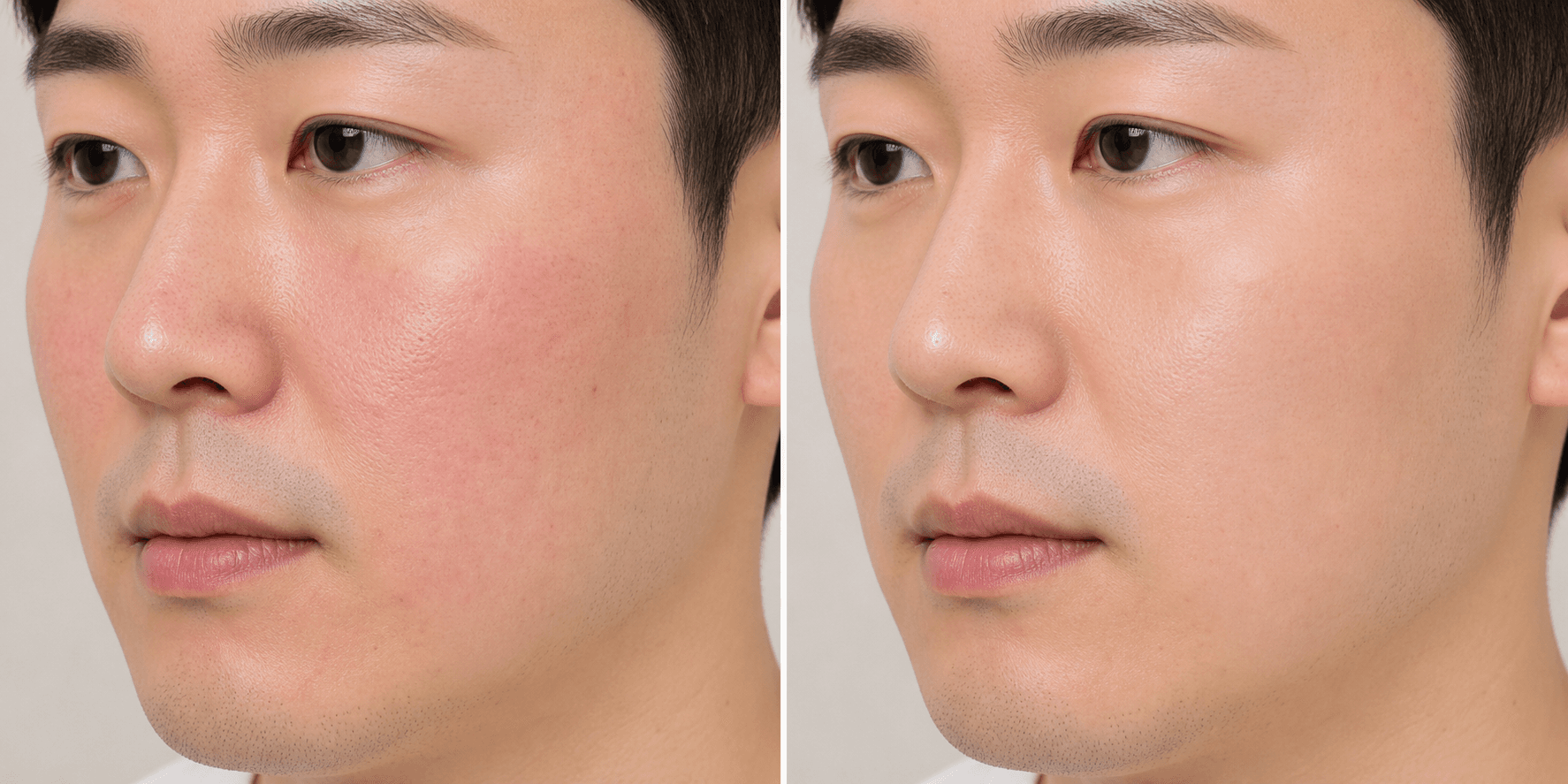
REFERENCE IMAGE
This AI-generated visual identifies the concern area only and is not an actual patient result. A noninvasive calming option for temporarily dry, warm or reactive skin that needs gentle surface support.
To protect patient privacy, Antone Clinic does not use actual patient treatment before-and-after photos on this website.
This page provides general treatment information. Suitability and treatment range are decided after medical consultation.
FAQ
Q1
A noninvasive calming option for temporarily dry, warm or reactive skin that needs gentle surface support.
Q2
Persistent redness, pain or rash needs medical diagnosis; supportive care does not replace treatment of an active skin disease.
Q3
Most plans assume daily-life return, but redness, swelling, bruising, dryness or small bumps can vary by patient. Please plan extra time before major events.